
Virtual War Room
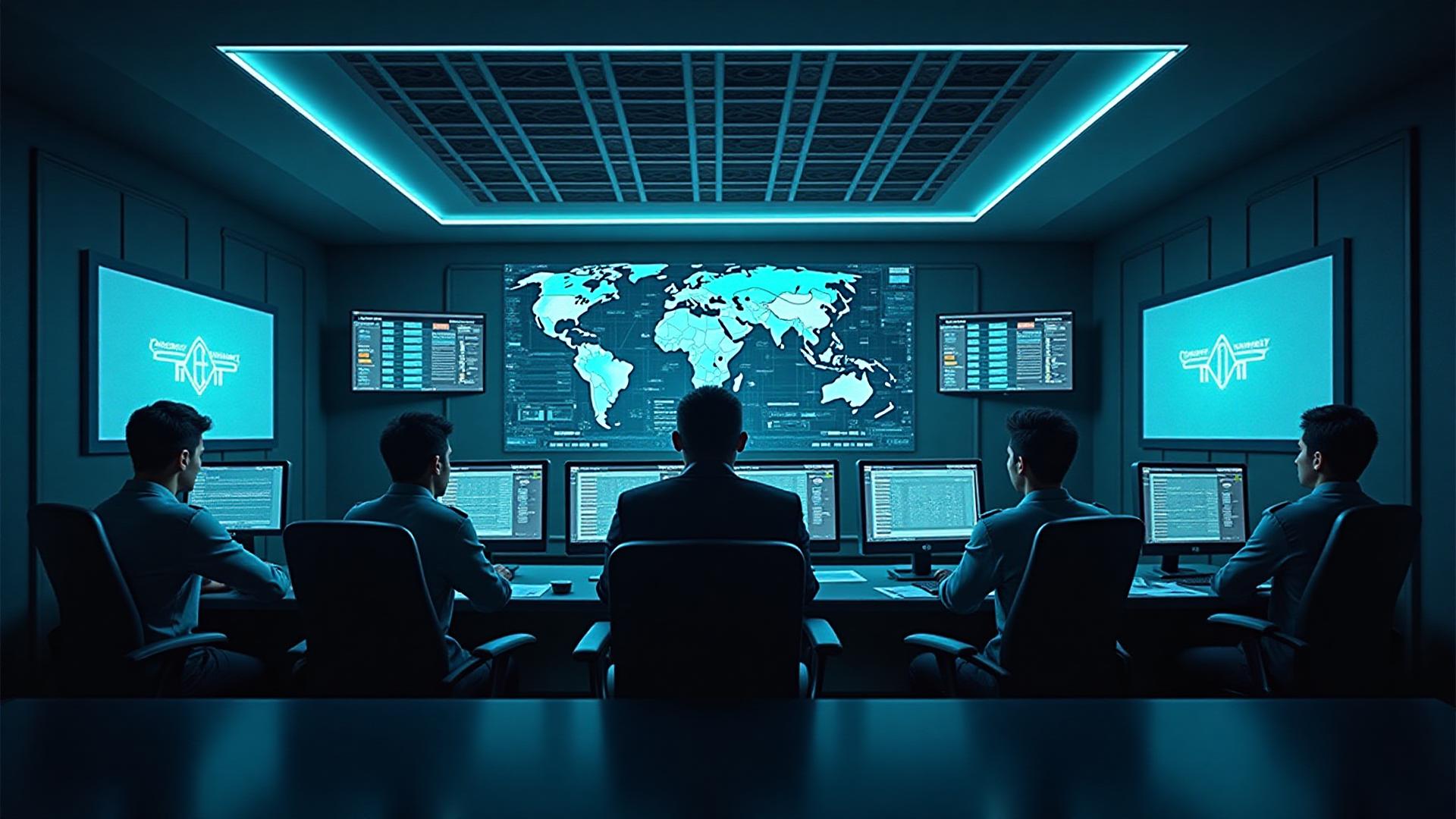
The Virtual War Room is a centralized coordination environment for responding to critical security incidents, enabling distributed teams to collaborate effectively in real time during cyber crises.
Concept and Purpose
A war room is a physical or virtual space dedicated to centralized coordination of response to serious incidents. During crises, it brings together key stakeholders - technical team, management, legal, communications - for fast, coordinated decision-making.
With remote work and distributed teams, virtual war rooms have become essential, using collaboration tools to replicate the effectiveness of physical war rooms.
When to Activate a War Room
Critical Incidents (P1/P0): Ransomware with critical systems encrypted, massive data breach, paralyzing DDoS attack, compromise of core infrastructure.
Business Impact: Disruption of critical services, potential exposure of customer data, threat to business continuity.
Complexity: Incidents involving multiple systems, teams, or geographic locations that require intensive coordination.
Public Visibility: Incidents with the potential for media attention or significant reputational impact.
Team Structure
Incident Commander (IC): Single leader with final decision authority. Coordinates the response, prioritizes actions, removes obstacles. Usually the CISO, security director, or senior IT manager.
Technical Lead: Leads technical investigation and remediation. Coordinates security analysts, network engineers, system administrators.
Communications Lead: Manages all communications - internal, external, with customers, media, regulators.
Legal/Compliance: Advises on regulatory obligations, evidence preservation, coordinates with authorities if necessary.
Executive Liaison: Interface with C-level and the board, keeps leadership informed, obtains rapid approvals.
Scribe/Documentation: Documents the entire process - decisions made, actions executed, timeline, participants.
Essential Tools
Video Conferencing: Zoom, Microsoft Teams, Google Meet with dedicated rooms for the war room. Consider breakout rooms for technical subgroups.
Real-Time Collaboration: Slack or Microsoft Teams for persistent chat with dedicated channels for the incident. Enables asynchronous communication when not everyone can be on video.
Shared Documentation: Google Docs, Notion, Confluence for timeline, status updates, runbooks, decisions.
Incident Management Platform: PagerDuty, xMatters, Incident.io for formal incident tracking, notifications, escalations.
Dashboards: Grafana, Kibana, or custom dashboards with key incident metrics visible to the entire team.
Secure Sharing: To share sensitive information (IOCs, evidence), use platforms with encryption (Signal for urgent communications).
Activation Playbook
1. Declaration: The Incident Commander declares the war room based on severity criteria. Notifies essential stakeholders immediately.
2. Convening: Send notification via multiple channels (PagerDuty, Teams, SMS) to all war room members with a meeting link.
3. Initial Briefing: First 15-30 min meeting to establish context - what we know, known impact, initial actions, next steps.
4. Establish Cadence: Define the frequency of sync-ups (usually every 2-4 hours initially), status update times, primary communication channels.
Meeting Cadence
Frequent Sync-ups: At the height of the crisis, short meetings (15 min) every 2 h to align on progress, pending decisions, next steps.
Technical Stand-ups: The technical team may hold more frequent sync-ups (every hour initially) as they work on containment and remediation.
Executive Briefings: Condensed daily updates for C-level and the board focusing on business impact, resolution timeline, risks.
Retrospectives: After resolution, a lessons-learned meeting with all participants to document what worked and improvements needed.
Communication and Documentation
Single Source of Truth: Maintain a central document (Google Doc or Wiki) with current status, timeline, decisions, action items. Everyone should know where it is.
Structured Status Updates: Standardized template: Situation, Background, Assessment, Recommendation (SBAR). Facilitates fast, clear communications.
Decision Log: Document all significant decisions: who decided, when, context, alternatives considered.
Detailed Timeline: A chronological record of incident events and response actions with precise timestamps.
Information Management
Information Classification: Classify incident information (public, internal, confidential, restricted) to control dissemination.
Need-to-Know: Share sensitive information only with those who need it for their roles. Prevent leaks.
External Communications: All external communication (customers, media, regulators) must go through the Communications Lead to ensure consistency.
Fatigue Management
Serious incidents can last days or weeks. Managing team fatigue is critical:
Shifts: Establish shifts of 8-12 h maximum. No one should work 24 h+ continuously - decisions made under fatigue are poor and dangerous.
Structured Handoffs: A formal shift-handover process with a complete briefing, updated documentation, pending action items.
Follow-the-Sun: If possible, leverage teams in different time zones for more sustainable 24/7 coverage.
Breaks: Enforce regular breaks - fatigue leads to errors, burnout, and poor decisions.
War Room Dashboards
Shared visualizations keep everyone aligned:
Overall Status: A high-level summary - affected systems, impacted services, affected users, remediation status.
Timeline: A visual timeline of the incident and response actions.
Technical Metrics: For the technical team - anomalous traffic volumes, compromised systems, detected IOCs, scanning/remediation progress.
Action Items: A Kanban board of tasks (To Do, In Progress, Done) with owners and deadlines.
Escalations
Clear Criteria: Define in advance what triggers escalation to C-level or the board (financial impact, data exposure, media attention).
Chain of Command: A clear escalation path: SOC → Incident Commander → CISO → CEO/Board depending on severity.
External Notification: Processes for notifying regulators (ANPD, SEC), insurers, enterprise customers per contractual SLAs.
Transition to BAU
Knowing when to de-escalate the war room is important:
Closure Criteria: Threat contained, critical systems restored, business-as-usual operations resumed, residual risk acceptable.
Transition Meeting: A formal meeting declaring the end of the war room, transferring pending action items to normal processes.
Post-Incident Activities: Post-mortem, long-term remediations, process improvements transition to normal project management.
Training and Simulations
Tabletop Exercises: Simulate critical incident scenarios in discussion sessions to train decision-making and coordination.
Red Team Exercises: Simulated attacks with real activation of the war room (with stakeholders' prior knowledge) to test processes.
Role Rotation: Rotate roles (IC, Technical Lead, etc.) in simulations to develop bench strength.
Common Challenges
Excessive Communication: A war room generates a high volume of information. Structure channels and filters to avoid information overload.
Decision Paralysis: Under pressure, there can be hesitation to make decisions. The IC must balance analysis with decisive action.
Lack of Authority: The IC needs clear authority to make decisions quickly. Obtain executive buy-in in advance.
Coordination with Third Parties: Vendors, cloud providers, external consultants complicate coordination. Establish POCs and clear channels.
Final Recommendations
An effective Virtual War Room requires advance preparation - documented playbooks, configured tools, trained teams. During a crisis, clear leadership, structured communication, and meticulous documentation are essential. A war room is not just a meeting - it is a command-and-control structure that turns chaos into a coordinated and effective response. Investing in preparation and training pays dividends when a real crisis hits.